What Every Homeowner Should Know About Insulation Companies
Managing a home involves balancing endless priorities, from routine maintenance to major structural upgrades. Among these improvements, few projects impact your daily comfort and monthly utility bills as significantly as upgrading your home's thermal barrier. Proper insulation keeps your living spaces warm during freezing winters, pleasantly cool in the dead of summer, and quiet year-round. However, achieving these benefits requires more than just buying high-quality materials off the shelf at a local hardware store; it demands specialized expertise, precise installation techniques, and proper safety protocols. Navigating the home improvement market can feel overwhelming, especially when trying to distinguish experienced professionals from subpar contractors. In this article, you will discover the essential factors every homeowner must consider before hiring insulation companies, from evaluating credentials and materials to understanding energy audits and project warranties.
Understanding the Role of Insulation Companies
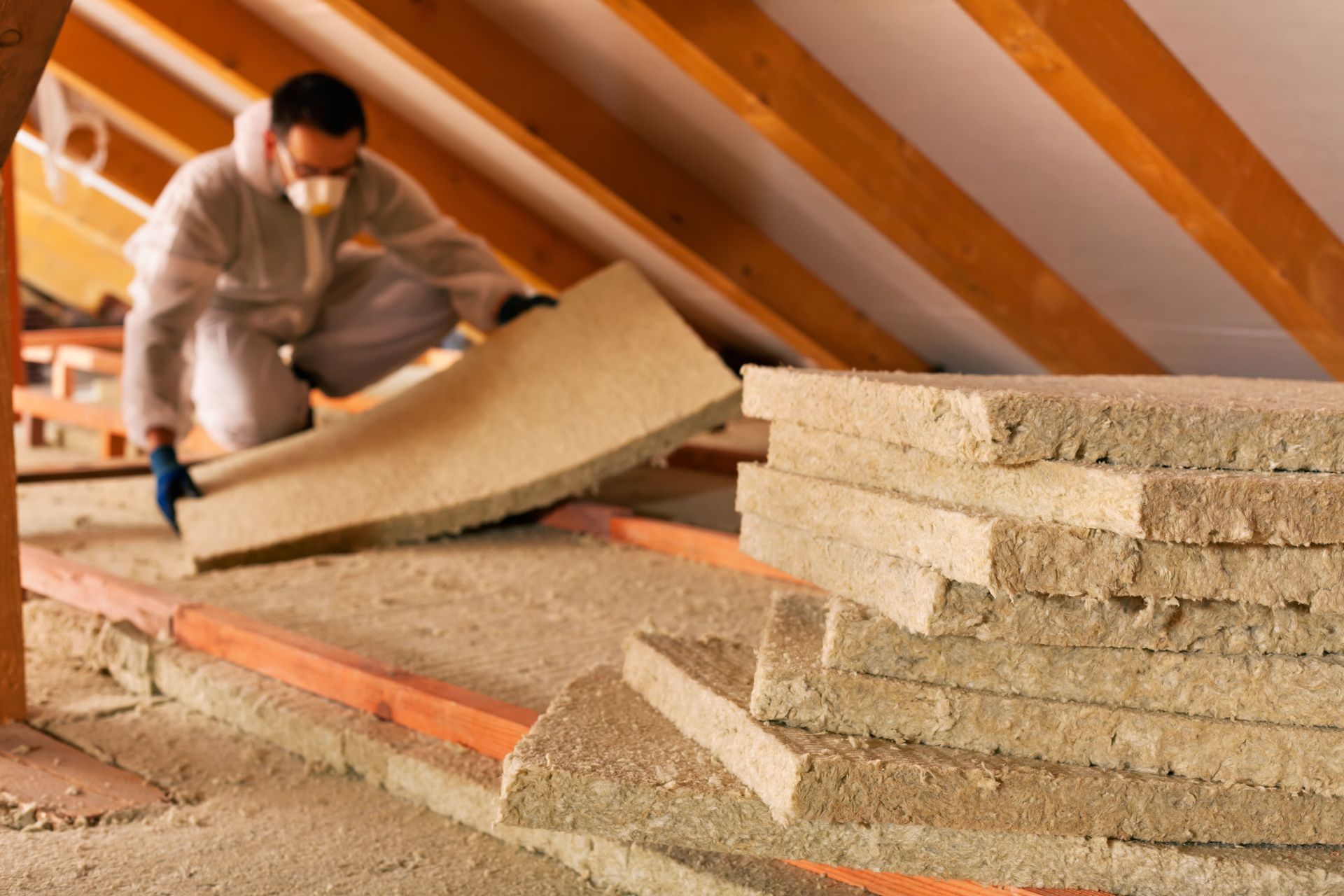
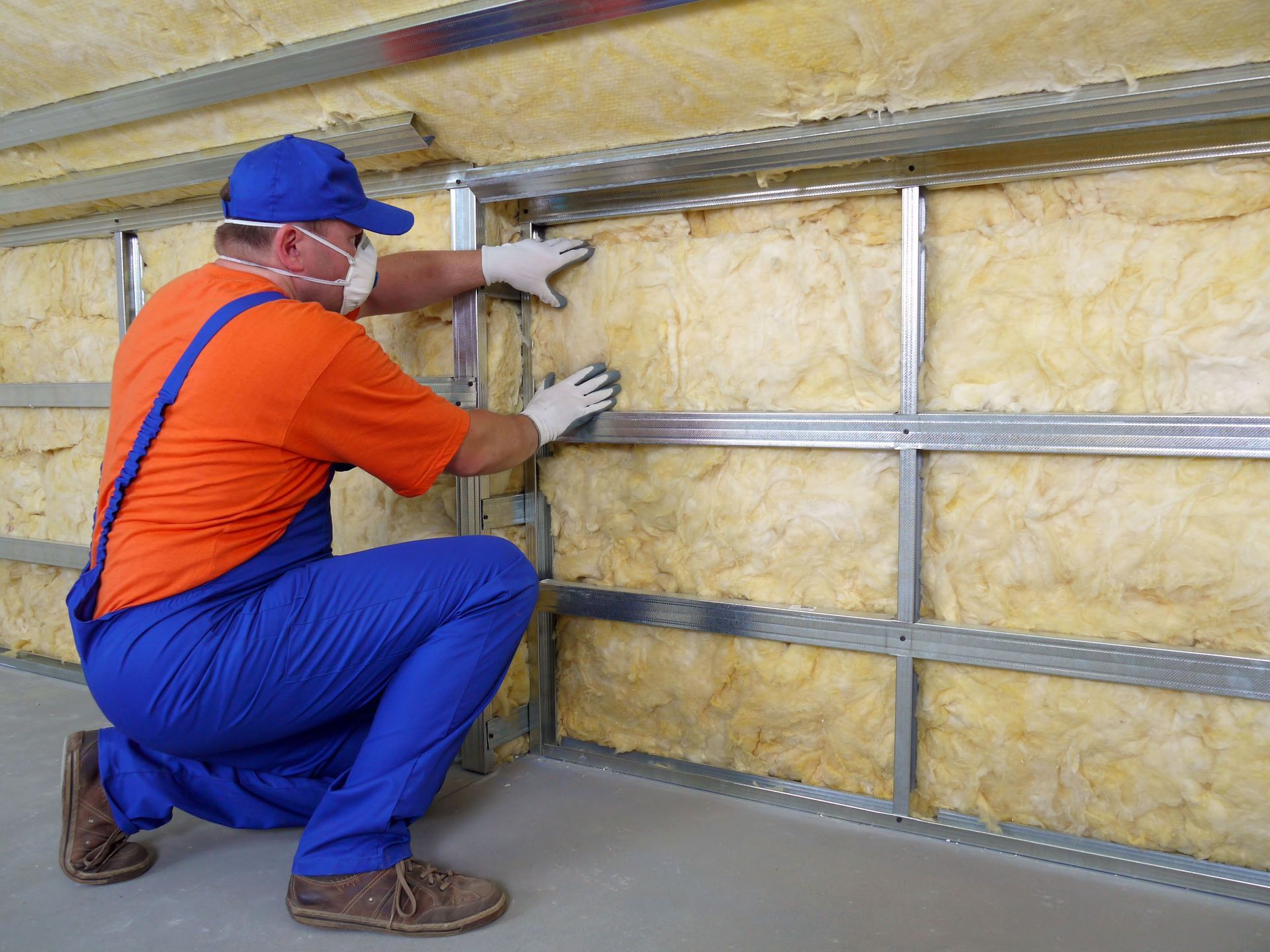
Professional insulation contractors do far more than simply roll out standard materials or spray expanding foam into open walls. Experienced insulation companies analyze your home as a complete, integrated system to determine where heated or cooled air is leaking and where thermal boundaries are failing. They possess specialized diagnostic tools, such as infrared cameras and blower door testing units, to pinpoint unseen gaps in attics, crawl spaces, and exterior walls. Beyond diagnostic work, professional installers understand regional building codes, local climate zones, and crucial ventilation requirements necessary to prevent moisture buildup, wood rot, and toxic mold growth. Hiring a qualified professional ensures that materials are installed at the correct density, thickness, and depth, maximizing energy efficiency while maintaining healthy indoor air quality throughout your entire living space.
Identifying the Primary Types of Specialized Insulation
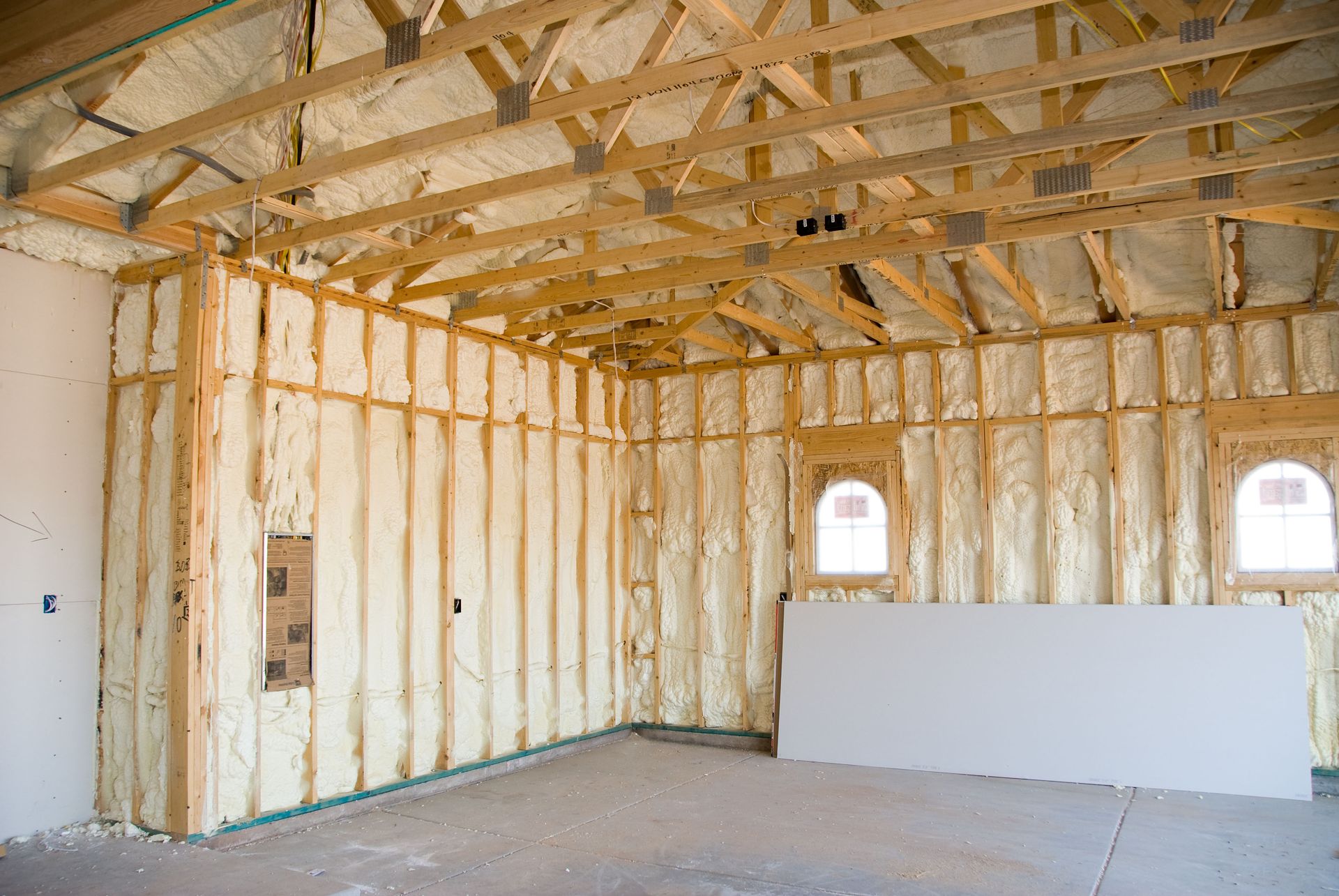
Selecting the right solution is a fundamental step in any home envelope upgrade, as different applications demand distinct performance characteristics. Cellulose insulation, made primarily from recycled paper treated with non-toxic fire retardants, offers an eco-friendly option that excels at filling irregular cavities, dampening sound, and blocking air currents in existing structures. Spray foam insulation expands rapidly upon application to create an airtight seal alongside supreme thermal resistance. According to PropertyInspect, spray foam provides up to 50% more insulating capacity than traditional options like fiberglass or mineral wool, making it a standout choice for homeowners looking to maximize energy efficiency in tight or hard-to-reach spaces. Beyond material choices, contractors specialize in residential insulation tailored to home comfort, as well as commercial insulation engineered for large-scale structural requirements and strict commercial safety standards.
Evaluating Key Credentials and Industry Certifications
When evaluating potential insulation companies, reviewing basic state licensing and comprehensive insurance coverage should always be your absolute starting point. Verify that the contractor carries general liability insurance and active workers' compensation to protect your property and their crew during installation. Beyond standard business licenses, look for specialized industry certifications that demonstrate advanced training and technical competence. Checking online customer reviews, requesting references from recent local projects, and verifying their standing with the Better Business Bureau will give you a clear picture of their reliability, communication, and overall workmanship before signing a contract.
Comparing Pricing Models and Estimating Costs
Understanding how contractors calculate quotes helps you avoid unexpected expenses and evaluate competing bids accurately. Most reputable insulation companies provide detailed, itemized estimates rather than vague single-figure estimates. Costs typically depend on total square footage, selected material type, accessibility of the installation area, and any necessary site preparation, such as removing old, water-damaged, or pest-contaminated insulation. Be cautious of bids that fall significantly below market averages, as low rates often indicate cut corners, inferior materials, or a lack of proper insurance coverage. A thorough estimate should clearly outline labor costs, material specifications, cleanup procedures, hazardous waste disposal fees, and a transparent payment schedule tied to specific project milestones.
Navigating the Process of Home Energy Audits
Before committing to a specific insulation installation, scheduling a comprehensive home energy assessment is one of the smartest investments a homeowner can make. Many top-tier insulation companies offer or partner with certified energy auditors to evaluate your home’s existing performance before recommending specific interventions. During an audit, technicians conduct blower door tests to measure total home air leakage and use thermal imaging to identify hidden gaps behind drywall and under eaves. This data-driven approach prevents you from overspending on unnecessary upgrades while targeting the exact locations that yield the highest return on investment. Furthermore, a pre-project energy audit often serves as the required baseline documentation for local utility rebates, state energy grants, or federal tax credits.
Preparing Your Home for Professional Installation
Once you have chosen a contractor and finalized your services, preparing your home properly ensures a smooth installation process. Clear access paths to the attic, crawl space, or exterior walls so the installation crew can move equipment and materials freely without damaging your furnishings. For attic jobs, move stored personal items, holiday decorations, and delicate heirlooms out of the workspace. If spray foam insulation is being applied, coordinate with your contractor regarding safety protocols, as residents and pets may need to vacate the property for 24 to 48 hours while the chemical compounds cure and off-gas safely. Discussing jobsite protection, such as plastic sheeting over furniture and drop cloths on flooring, will help maintain a clean home environment throughout the duration of the project.
Recognizing the Signs of Poor Existing Insulation
Many homeowners live with subpar thermal protection for years without realizing that their home's envelope is failing. Common warning signs include noticeably drafty rooms, hot or cold spots in specific areas of the house, and indoor temperatures that fluctuate wildly despite the HVAC system running constantly. In winter, ice dams forming on the edge of your roof or rapidly melting snow on your shingles often indicate heat escaping straight through an under-insulated attic. High monthly energy bills during peak summer or winter months are another major indicator. If you notice persistent dust, strange odors, or excessive noise penetration from outside, upgrading your thermal barrier can resolve these daily nuisances while dramatically improving indoor comfort.
Understanding Warranties and Long-Term Maintenance
A properly installed thermal envelope pays dividends for decades through lower monthly heating and cooling bills, increased property value, and reduced strain on your HVAC equipment. To protect your investment over time, always carefully review the warranty coverage offered by both the material manufacturer and the installation contractor. Manufacturer warranties cover defects in the insulation material itself, while workmanship guarantees protect you against installation errors, settling, or premature degradation. Additionally, ask your contractor about maintenance advice and routine inspection checklists to ensure your attic ventilation remains clear and unblocked over time. By taking a proactive approach to contractor selection and long-term maintenance, you secure a more comfortable home and substantial financial savings.
Upgrading your home’s thermal protection is a major investment that directly impacts your daily comfort, indoor air quality, and monthly energy expenses for years to come. By understanding the different materials available, verifying professional credentials, and utilizing home energy audits, you can navigate the hiring process with total confidence. Taking the time to compare quotes, check certifications, and review warranty coverage ensures you choose reliable insulation companies that deliver lasting quality and measurable performance. Ready to make your home more comfortable and energy-efficient? Contact Hill's Home and Commercial Insulation today to schedule a comprehensive home energy assessment and start saving on your monthly utility bills.
Share On: